2026-09-25 ·
Phased Expansion of Remote Camps
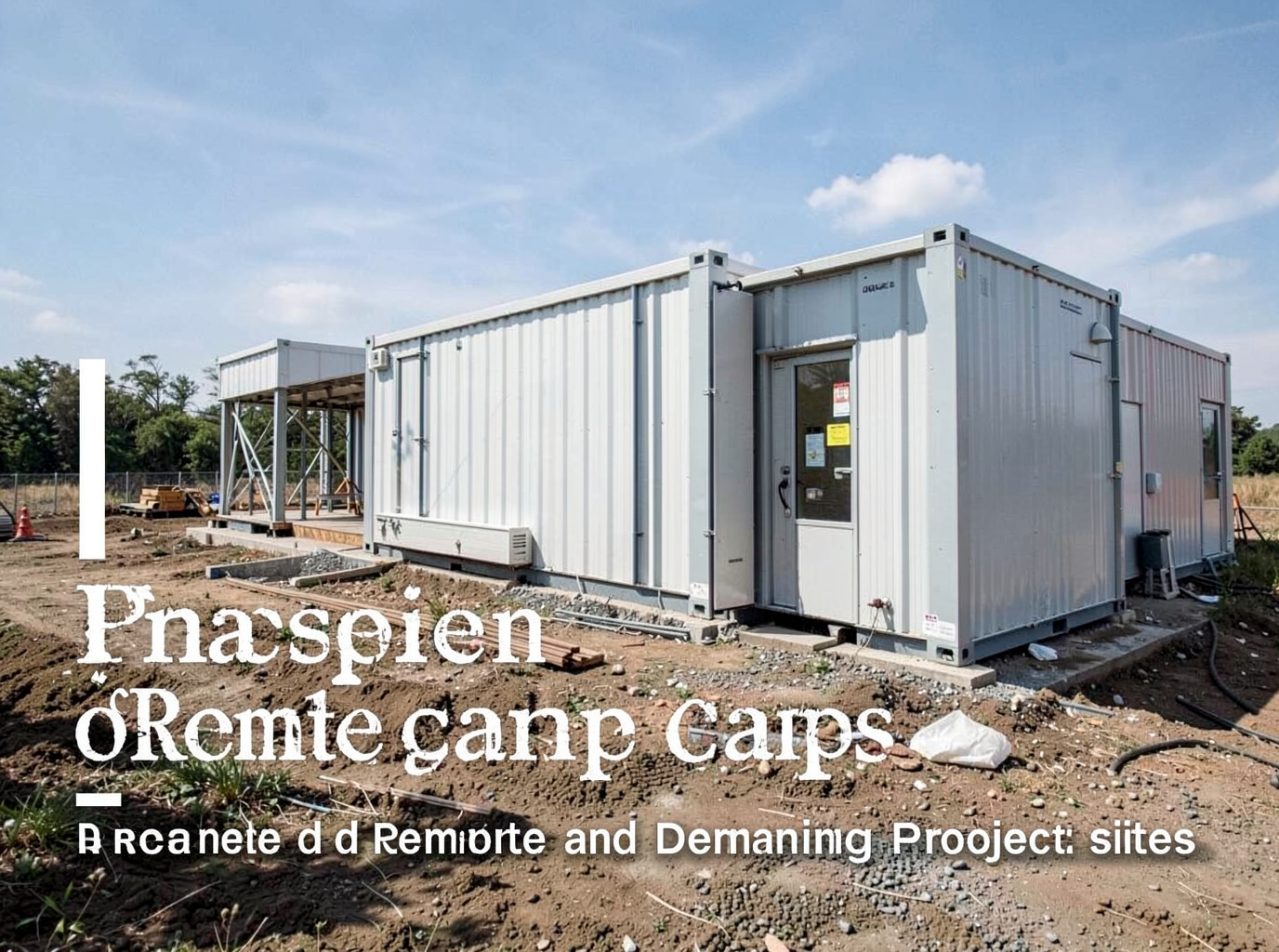
Phased expansion of remote camps is a highly effective strategy for managing workforce accommodation and support facilities, especially in dynamic project environments across the UAE. Instead of committing to a full-scale camp build-out from day one, a phased approach allows projects to scale their facilities incrementally, aligning with actual workforce numbers and project milestones. This method is particularly beneficial in regions like Dubai's industrial zones or the remote oil and gas fields of Abu Dhabi, where project scopes can evolve, and initial workforce projections may shift. By deploying modular buildings in stages, project managers can significantly reduce upfront capital expenditure, mitigate the risks associated with over- or under-sizing facilities, and maintain greater financial flexibility. This approach also ensures that resources are allocated efficiently, preventing the construction of idle capacity while still being prepared for rapid growth when needed. The inherent flexibility of modular construction makes it uniquely suited for this strategy, allowing for rapid deployment of additional units as project demands increase, without disrupting ongoing operations.
Strategic Advantages of Phased Modular Deployment
The primary advantage of phased modular deployment lies in its ability to match infrastructure growth precisely with project demand. In the UAE, where large-scale infrastructure projects, such as those in Jebel Ali Free Zone or new developments near Al Maktoum International Airport, often have fluctuating labor requirements, this flexibility is invaluable. Traditional construction methods struggle to adapt quickly to these changes, leading to either costly overruns for underutilized facilities or delays when new capacity is urgently needed. Modular units, however, can be manufactured off-site to exact specifications and transported to the project location as needed, minimizing onsite disruption and construction time. This capability allows for the initial establishment of a core camp, including essential workforce accommodation, site offices, and basic welfare facilities, with the option to expand dining halls, recreation areas, or additional sleeping quarters later. This strategy supports better cash flow management and reduces the financial burden of carrying excess capacity.
Planning for Scalability and Future Growth
Effective phased expansion requires meticulous planning from the outset, focusing on the design for scalability. This means considering not just the initial camp footprint but also how future modules will integrate seamlessly. Key considerations include master planning the site layout to accommodate future additions, ensuring utility infrastructure (power, water, wastewater, communications) is designed with expansion in mind, and standardizing module dimensions where possible to facilitate easy integration. For projects in challenging environments, such as desert sites in the Empty Quarter or coastal developments, planning for access routes and laydown areas for future module delivery is critical. It's also important to anticipate the types of facilities that will be needed in later phases, whether it's additional modular commercial kitchens and dining halls for a larger workforce, specialized training buildings, or enhanced recreation buildings. Thinking ahead about these requirements during the initial design phase can save significant time and cost during subsequent expansion phases.
Key Considerations for Modular Building Specifications
When planning for phased expansion, the specifications of the modular buildings are paramount. For projects in the UAE, factors such as thermal performance are critical due to the high ambient temperatures. This necessitates robust insulation specifications, often exceeding standard requirements, to ensure occupant comfort and reduce HVAC loads. Similarly, HVAC and MEP (Mechanical, Electrical, Plumbing) systems must be designed for efficiency and durability in demanding conditions, with potential for oversized units or redundant systems in critical areas. Fire and life-safety specifications must also meet local authority requirements, which may include specific fire ratings for materials, smoke detection systems, and emergency egress planning. Structural systems need to be engineered to withstand local wind loads and seismic considerations, ensuring long-term integrity. Buyers should supply all applicable local codes, ordinances, and specific project requirements to ensure modules are produced to meet these standards, as Tough Modular manufactures to buyer-provided specifications. Understanding these technical details upfront is essential for successful, long-term operations.
Logistics and Transport Dimensions
The logistics of transporting modular units are a fundamental aspect of phased expansion, particularly in the UAE with its extensive road networks and port facilities like Jebel Ali Port. Modules are typically designed to fit within standard road transport dimensions to facilitate efficient movement, but larger or specialized units may require permits for oversized loads and careful route planning. For remote sites, such as those for mining camps or oil and gas projects in the interior, access roads and site conditions must be evaluated to ensure safe delivery and placement of modules. The sequencing of deliveries for different phases needs to be coordinated closely with project timelines, ensuring modules arrive precisely when needed for installation, minimizing storage requirements on site. This careful coordination reduces potential delays and keeps the project on schedule, leveraging the rapid deployment advantage of modular construction. Understanding the transport implications during the design phase can prevent costly logistical hurdles down the line.
Procurement and Project Sequencing
Effective procurement planning is central to successful phased expansion. This involves breaking down the overall camp requirement into manageable phases, each with its own procurement cycle. Buyers should engage with modular building suppliers early to discuss project quantities and scalability needs. This allows for production planning that aligns with the phased delivery schedule. For example, an initial phase might focus on core administration buildings and basic accommodation, with subsequent phases introducing specialized facilities like modular clinics or enhanced recreation buildings. The project sequencing must also consider the readiness of the site, including site preparation, foundation work, and utility connections, which are typically handled by the buyer's local contractors. Modular construction excels here because much of the building fabrication occurs concurrently with site work, significantly compressing overall project timelines compared to conventional construction. This parallel process is a key driver of efficiency in phased deployments.