2026-09-25 ·
Transport and Shipping Planning for Modular Buildings
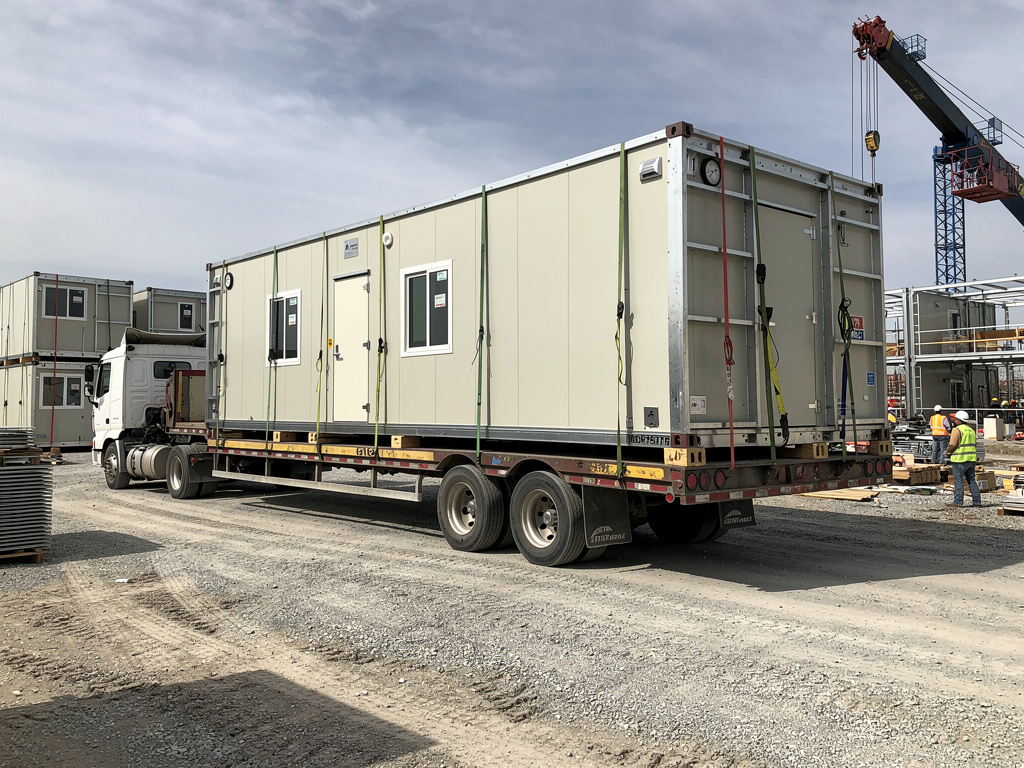
Transport and shipping planning for modular buildings is a critical phase that directly impacts project timelines, costs, and the successful deployment of facilities to remote and demanding sites. For projects in the UAE, particularly in areas like Jebel Ali Free Zone, Dubai Industrial City, or even more remote sites in the Northern Emirates or towards the Saudi border, this planning involves meticulous attention to modular unit dimensions, weight, route surveys, and specific destination requirements. Unlike conventional construction where materials arrive in bulk, modular units are often large, pre-finished sections, meaning their transport is more akin to moving oversized cargo, requiring specialized equipment, permits, and careful coordination from the factory gate to the project site.
Understanding Modular Unit Specifications for Transport
The physical specifications of modular buildings are the primary drivers of transport planning. Each module is designed to a specific width, length, and height, often maximizing dimensions permissible for road transport while remaining within practical limits for lifting and placement. Standard module widths typically range from 3 meters to 4.5 meters, though custom units can be wider, necessitating specialized wide-load permits and escorts, especially when navigating urban areas of Dubai or Abu Dhabi, or critical infrastructure corridors. Lengths can extend up to 18 meters or more, affecting turning radii and requiring specific trailer types. The overall height, including the transport trailer, must be considered against bridge clearances and overhead power lines along the planned route within the UAE.
Weight is another significant factor, influenced by the structural systems, interior fit-out, and materials used. A fully equipped <a href="/services/modular-commercial-kitchens">modular commercial kitchen</a> or an <a href="/services/electrical-and-utility-buildings">electrical and utility building</a> will naturally weigh more than a basic office module due to heavy equipment, specialized flooring, and robust MEP installations. This weight dictates the type of heavy-haul trucks and trailers required, the number of axles, and potential road restrictions. Understanding these specifications early in the procurement process allows for accurate budgeting for transport costs and helps avoid delays stemming from unsuitable transport arrangements or unexpected permitting requirements.
Destination Requirements and Site Access
The ultimate destination of the modular buildings dictates many transport considerations. For projects in established industrial zones, road networks are generally well-maintained, but access roads within a specific site might still present challenges. Remote sites, such as those for <a href="/services/modular-buildings-for-oil-and-gas-projects">oil and gas projects</a> in the Western Region of Abu Dhabi or mining operations, often involve unpaved roads, steep gradients, or soft ground conditions that require specialized off-road transport vehicles or temporary road improvements. It is the buyer's responsibility to provide accurate site access information, including road conditions, turning radii, ground bearing capacity for cranes and transport, and any overhead obstructions.
Furthermore, local authority requirements for transport and site access must be thoroughly understood. In the UAE, different Emirates may have varying regulations regarding oversized loads, escort vehicle requirements, and permitted transport times. For instance, moving large modules through Dubai might be restricted to specific nighttime hours to minimize traffic disruption. Buyers must ensure their local logistics partners are fully aware of and compliant with all relevant local codes and ordinances, as Tough Modular provides the modular buildings based on buyer-supplied project specifications and destination requirements.
Logistics Planning and Route Surveys
Effective logistics planning involves a detailed route survey from the manufacturing facility to the project site. This survey identifies potential obstacles such as low bridges, tight turns, power lines, and congested areas. For complex routes, especially those traversing multiple Emirates or remote desert landscapes, multiple surveys may be necessary. The survey also considers potential staging areas where modules might be temporarily stored if direct delivery is not immediately possible, or where multiple modules can be consolidated before the final leg of the journey.
Permitting for oversized and overweight loads is a crucial, often time-consuming, aspect of logistics. Buyers, through their appointed local contractors or logistics providers, are responsible for securing all necessary permits from relevant transport authorities in the UAE. This process can involve submitting detailed route plans, vehicle specifications, and module dimensions. Delays in obtaining these permits can significantly impact project schedules, underscoring the need for early engagement and proactive planning. Understanding the lead times for such permits is essential for accurate project sequencing and delivery scheduling.
Production and Delivery Coordination
The coordination between the modular building production schedule and the transport logistics is paramount. Factory completion of modules must align with the availability of transport vehicles and the readiness of the destination site. Modules are typically manufactured to project specifications, including requirements for <a href="/blog/designing-modular-buildings-for-cold-and-arctic-environments">insulation and thermal performance</a>, HVAC, and fire/life-safety, all of which are integrated into the module structure at the factory. Once completed, modules are prepared for transport, which may include securing internal components, weatherproofing, and adding protective coverings.