2026-09-25 ·
Site Access, Roads, Cranes and Module Placement
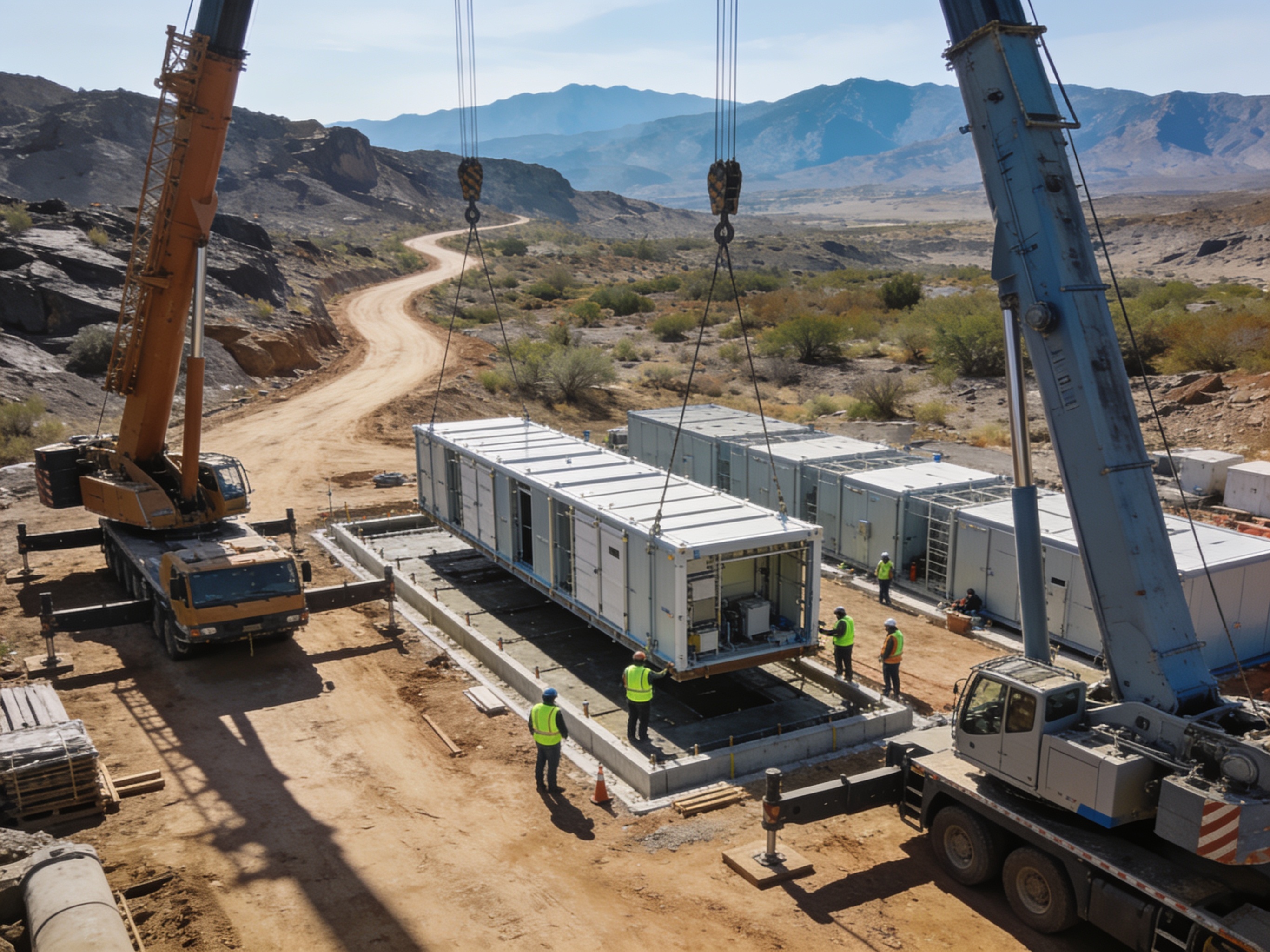
Efficient site access, robust internal roads, appropriate crane selection, and precise module placement are paramount for any modular building project, particularly in the demanding environments of the United Arab Emirates. The logistical complexities of transporting oversized modules across vast distances, often to remote industrial sites or developing infrastructure projects, necessitate a comprehensive understanding of these factors from the earliest stages of procurement and project planning. Neglecting these elements can lead to significant delays, increased costs, and potential safety hazards. Buyers and their project teams must thoroughly assess the destination site's characteristics, local transport regulations, and available heavy equipment capabilities to ensure a smooth and timely delivery and installation process for their modular facilities, whether they are modular workforce accommodation or specialized modular control rooms.
Assessing Site Access and Road Infrastructure
The journey of a modular building module begins long before it reaches the project site. In the UAE, this often involves navigating a network of highways, sometimes transitioning to unpaved or purpose-built access roads, particularly for projects in industrial zones like Jebel Ali or remote areas supporting oil and gas exploration. The width and turning radius of existing roads are critical. Modular units, especially those designed for larger commercial or industrial applications, can be up to 4.5 meters wide, requiring clear pathways and adequate space for turns at intersections and site entrances. Any overhead obstructions, such as power lines, bridges, or even low-hanging signage, must be identified and addressed during the planning phase. Similarly, the load-bearing capacity of roads and bridges along the transport route and within the site must be sufficient to support the heavy haulage vehicles carrying modules that can weigh tens of thousands of kilograms. For new sites or those with underdeveloped infrastructure, this may necessitate temporary road construction or reinforcement, a responsibility that typically falls to the buyer or their appointed local contractors.
The final approach to the placement area within the site demands particular attention. This includes ensuring there is a stable, level, and sufficiently wide path for the transport vehicles to maneuver close to the crane's operating radius. Soft ground conditions, common in some desert environments after rainfall or in areas with high water tables, require ground stabilization, such as compacted aggregate or temporary matting, to prevent vehicles and cranes from getting bogged down. Any steep gradients or sharp inclines on access roads can also pose challenges for heavy transport, potentially requiring specialized towing equipment or route adjustments. Early engagement with local transport authorities and heavy haulage specialists is crucial for identifying potential bottlenecks and planning contingency routes, especially for projects requiring delivery to multiple locations or phased installations.
Crane Selection and Operating Envelope
The selection of the appropriate crane is a pivotal decision that directly impacts the efficiency and safety of module placement. This choice is driven by several key factors: the weight and dimensions of the heaviest module, the reach required to place modules at their final positions, and the available space for crane setup and operation. For typical modular buildings, mobile cranes, such as all-terrain or rough-terrain cranes, are commonly used due to their versatility and mobility. However, for very large or heavy modules, or for multi-story installations, larger crawler cranes might be necessary. The crane's lifting capacity must significantly exceed the weight of the heaviest module to account for rigging, wind loads, and dynamic forces during the lift.
The crane's operating envelope—the area within which it can safely lift and place modules—must be meticulously planned. This includes the crane's footprint with outriggers fully extended, the swing radius of the boom, and the clear height required for lifting. Obstructions such as existing structures, overhead power lines, or even temporary site facilities must be identified and accounted for. In the UAE's sometimes windy conditions, especially near coastal areas or open desert, wind speed limitations for crane operation are a critical safety consideration; lifts may need to be postponed if wind speeds exceed safe thresholds. The ground beneath the crane's outriggers must be stable and capable of supporting the immense point loads generated during lifting operations. This often requires engineered crane pads or extensive ground preparation to prevent settlement or tipping. Understanding the intricacies of crane operations is essential for buyers planning the logistics of their modular buildings for construction and EPC projects.
Module Placement and Sequencing
The actual placement of modules is a highly coordinated process requiring precision and clear communication. The sequencing of module delivery and placement is critical, especially for multi-module buildings or complex complete remote camps and project compounds. Modules are typically installed in a predetermined order to facilitate efficient connections and minimize re-handling. This often means placing ground-floor modules first, followed by upper floors if applicable. The orientation of each module must be precisely aligned with the building's overall layout and foundation points. Each module usually has designated lifting points, and the rigging plan must be carefully executed to ensure the module is lifted level and without structural stress.
Once suspended, modules are guided into place using tag lines to control their swing and rotation. The final positioning requires meticulous alignment with adjacent modules and the prepared foundations. Inter-module connections, including structural, electrical, and plumbing links, are often initiated as soon as modules are set, to ensure stability and weatherproofing. While Tough Modular designs and produces modules to buyer-provided specifications, including connection points, the actual onsite connection work, utility hookups, and final installation steps are the responsibility of the buyer and their local contractors. This includes ensuring all locally applicable codes and authority requirements for structural connections, fire/life-safety systems, and MEP (Mechanical, Electrical, Plumbing) systems are met during the onsite integration phase. Proper planning for these connections during the procurement stage is vital to avoid delays during the module placement process.
Logistics and Project Coordination
Effective logistics and project coordination are the backbone of successful modular building delivery and placement. In the UAE, this involves navigating complex import procedures, coordinating with multiple transport providers, and managing the flow of materials and personnel to often remote or challenging sites. Just-in-time delivery of modules can minimize onsite storage requirements and reduce the risk of damage, but it demands precise scheduling and robust communication channels. Any delays in customs clearance, transport, or site readiness can have a cascading effect on the entire project timeline. Buyers should factor in potential delays due to unforeseen circumstances, such as adverse weather conditions or changes in local traffic regulations, especially when transporting modules through busy urban centers like Dubai or Abu Dhabi.