2026-09-25 ·
Power, Water and Wastewater Planning
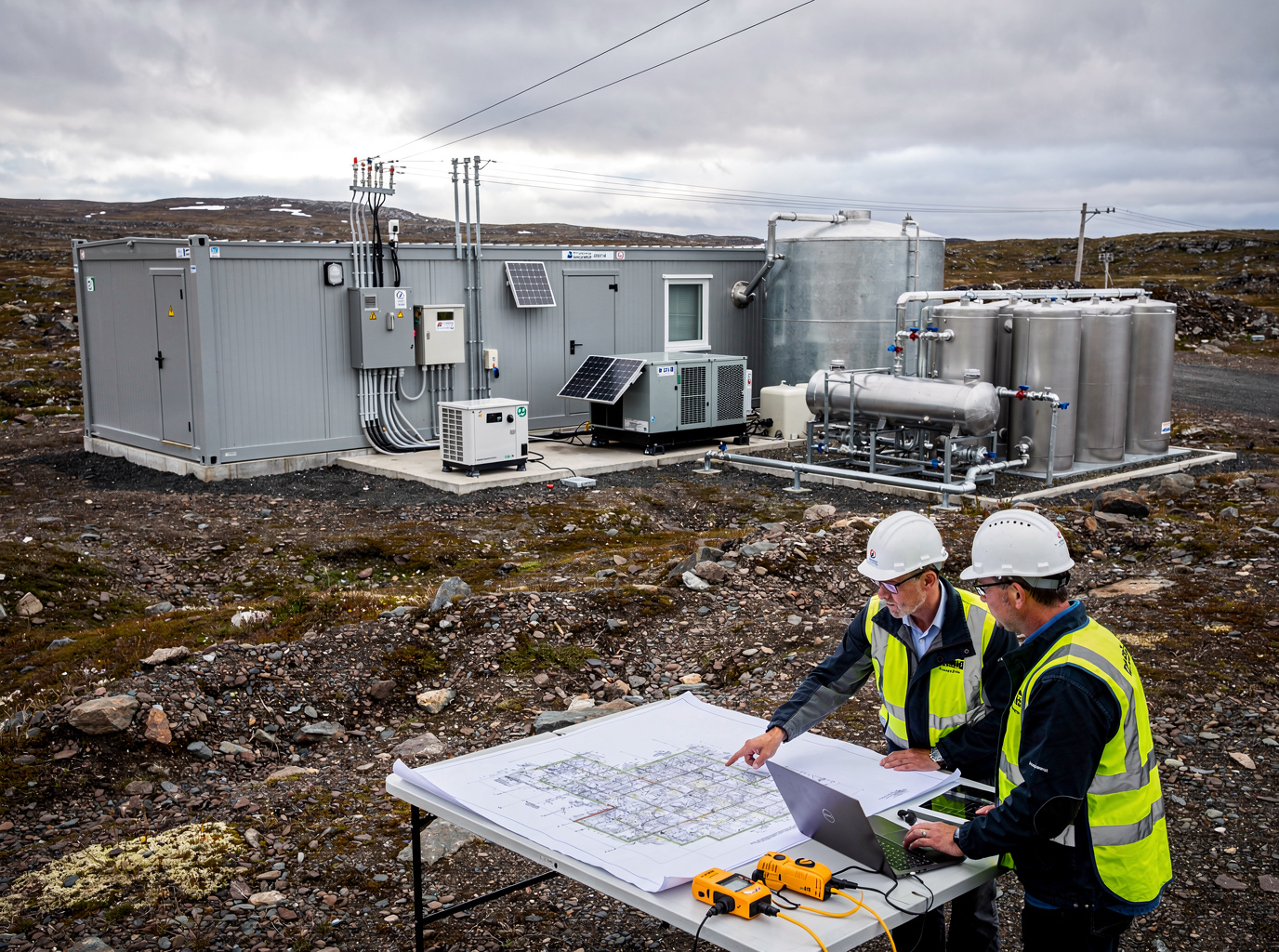
Effective power, water, and wastewater planning is paramount for the successful deployment and operation of modular buildings, particularly in the remote and often arid conditions encountered across the United Arab Emirates. The specific requirements for utilities are dictated by the project's scale, duration, intended use of the buildings, and the local environmental and regulatory landscape. For instance, a small modular site office in the Jebel Ali Free Zone will have vastly different utility demands and connection options compared to a large workforce camp supporting a major infrastructure project in the Empty Quarter. Understanding these variables upfront is crucial, as they influence everything from building specifications to long-term operational costs and environmental compliance. Buyers must consider the availability of grid power, potable water sources, and wastewater treatment infrastructure, or plan for self-sufficient systems when deploying in areas with limited existing services. This proactive approach ensures that modular facilities, whether for remote worker villages or specialized industrial applications, are not only functional but also sustainable and compliant with local standards and project needs.
Assessing Power Requirements for Modular Facilities
Power planning for modular buildings in the UAE begins with a detailed assessment of the total electrical load. This isn't just about lighting and basic appliances; it encompasses HVAC systems, which are critical in the region's high temperatures, as well as specialized equipment for kitchens, laundries, workshops, and communication systems. For example, a modular commercial kitchen will have significant power demands for cooking equipment, refrigeration, and ventilation, while a data center or control room will require stable, uninterruptible power for sensitive electronics. The choice between grid connection and onsite generation depends heavily on the project's location. In established industrial zones like those around Mussafah or Dubai Industrial City, grid access might be straightforward. However, for remote mining or oil and gas projects in areas like the Western Region of Abu Dhabi, diesel generators or hybrid power solutions (solar PV with battery storage) are often necessary. Buyers must specify the required voltage, frequency, and phase (e.g., 400V, 50Hz, 3-phase) to ensure that the modular buildings' electrical systems are designed accordingly. This includes specifying the type and capacity of main distribution boards, circuit breakers, and internal wiring to safely handle the projected loads, considering the high ambient temperatures which can affect electrical com
Water Supply Strategies for Remote Sites
Providing a reliable water supply to modular facilities in the UAE's arid environment presents significant challenges. The strategy adopted will depend on the project's location, scale, and the availability of local resources. For projects within or near urban centers, connection to municipal water networks might be feasible. However, for remote sites, alternative solutions are essential. These can include trucking in potable water, which requires adequate storage tanks and regular delivery schedules, or establishing onsite water treatment plants. Desalination units are often considered for coastal projects or where brackish groundwater is available, transforming otherwise unusable water into potable supply. The specific water quality requirements for drinking, cooking, showering, and industrial processes must be clearly defined. For instance, a modular clinic will have stringent requirements for water purity. The modular buildings themselves will be specified to include appropriate plumbing, water heaters (often sized for high demand, especially in ablution and shower buildings), and storage tanks. Consideration must also be given to water pressure and distribution systems within the modular camp or facility, ensuring consistent supply to all units, especially in multi-story configurations common in larger [modular workforce accommoda
Wastewater Management and Treatment
Effective wastewater management is not just an operational necessity but also a critical environmental and regulatory compliance issue in the UAE. Discharging untreated wastewater is prohibited and can lead to severe penalties. For modular facilities, particularly those in remote locations without access to municipal sewer systems, onsite wastewater treatment is mandatory. The primary options include septic systems for smaller, temporary setups, or more advanced package sewage treatment plants (STPs) for larger camps or long-term projects. STPs can treat wastewater to a standard suitable for irrigation or safe discharge, depending on local authority requirements. Buyers must specify the expected daily wastewater volume, which is directly related to the number of occupants and the types of facilities (e.g., kitchens, laundries). The modular buildings are designed with internal plumbing systems that efficiently collect and channel wastewater to a central point for treatment. Considerations for high-temperature environments include the potential for accelerated bacterial growth and odors, necessitating robust ventilation and maintenance protocols for treatment systems. The treated effluent's quality must meet the specific discharge standards set by the relevant environmental agencies in the UAE, which can vary slightly by emirate.
HVAC and MEP Integration for Climate Control
The extreme heat and humidity in the UAE make robust HVAC systems non-negotiable for modular buildings. The thermal performance of the modular structure itself is the first line of defense. Specifications for insulation, window glazing, and roofing materials are critical to minimize heat gain and reduce the energy load on HVAC systems. Tough Modular designs modular buildings with high-performance insulation suitable for desert and high-heat environments, ensuring optimal thermal envelopes. HVAC systems must be sized appropriately for the internal volume of each module and its intended use, with redundancy often built into critical facilities like modular control rooms or data centers. This involves specifying high-efficiency air conditioning units, proper ductwork, and ventilation systems. Beyond cooling, mechanical, electrical, and plumbing (MEP) systems within modular buildings are designed as integrated packages. This includes the routing of electrical conduits, water pipes, and drainage lines, all pre-engineered and often pre-installed in the factory to minimize onsite work. Coordinating these systems ensures that the power supply can handle the HVAC load, water lines are correctly plumbed to fixtures, and wastewater is efficiently directed to treatment points, all while maintaining the structural integrity and fire/life-safety standards o
Procurement and Project Sequencing Considerations
Procurement for modular buildings in the UAE requires careful planning, especially regarding utility infrastructure. Buyers need to integrate the utility requirements into their overall project master plan from the outset. This means defining the anticipated power demand, water consumption, and wastewater generation early in the project lifecycle. For large-scale projects, such as complete remote camps and project compounds, the utility infrastructure can be a significant component of the overall budget and timeline. It is essential to understand that while Tough Modular supplies the modular buildings manufactured to your specifications, the onsite installation of utility connections, site preparation, foundations, and local permitting are typically handled by the buyer and their appointed local contractors. This includes the trenching for power cables and water lines, the installation of external transformers, water storage tanks, and sewage treatment plants. Coordinating the delivery of modular units with the readiness of the utility infrastructure is crucial to avoid delays. Factory completion of modular units minimizes onsite utility work within the building itself, but the external connections remain a significant logistical and engineering undertaking that must be managed by the buyer's local team.