2026-09-25 ·
Planning Modular Buildings for International Shipping
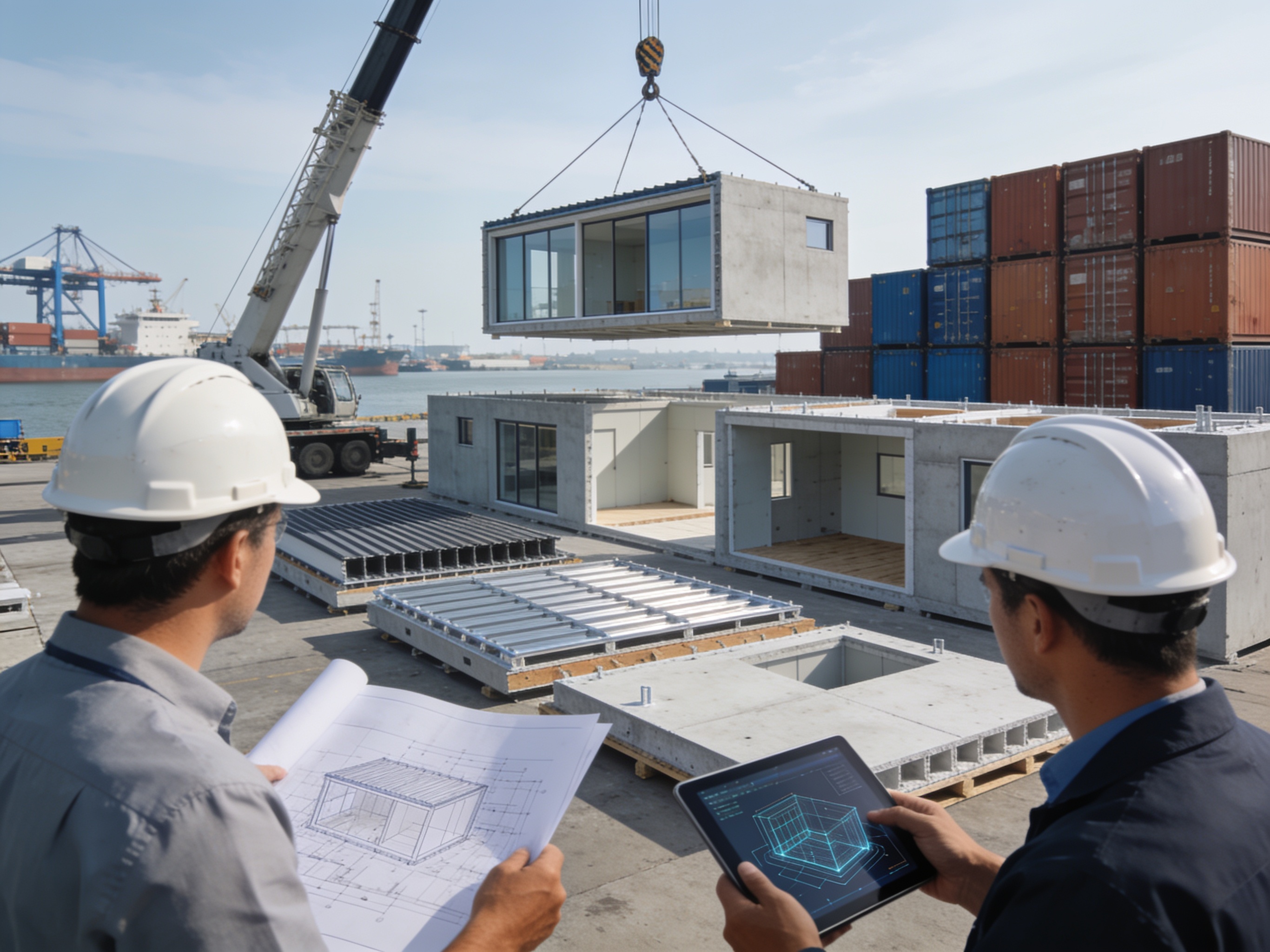
Planning modular buildings for international shipping requires a meticulous approach that integrates project specifications with global logistics and destination-specific requirements. Unlike domestic projects, international shipments introduce complexities related to customs, varied transport infrastructure, and diverse operating environments, such as the hot, arid conditions prevalent in the UAE. The process begins with a clear understanding of the project's scale, the intended use of the modular units—whether for a remote workforce camp, a site office, or specialized facilities like modular control rooms—and the specific conditions at the final destination. Careful consideration of these factors from the outset ensures that the modular units are designed and constructed to withstand the rigors of transit and perform optimally once deployed, avoiding costly delays and modifications on site. For example, a project destined for a desert environment in the UAE will have vastly different insulation and HVAC requirements than one in a temperate climate, directly impacting the initial design and specification phase.
Structural Systems and Durability for Transit
The structural integrity of modular buildings is paramount, especially when facing the stresses of international shipping. Modules must be engineered to withstand not only their operational loads but also the dynamic forces encountered during ocean freight, heavy-haul road transport, and potential crane lifts at various transshipment points. This often means specifying robust steel frames, reinforced connection points, and internal bracing that can handle pitching, rolling, and acceleration forces without compromise. For projects in demanding environments like those found in the UAE, where high temperatures and corrosive coastal air are factors, materials must be selected for their durability and resistance to degradation. Buyers should specify structural systems that account for extreme thermal cycling and potential salt spray, ensuring the longevity of the modules. Understanding the various transport modes and their associated stresses is key to preventing damage in transit and ensuring the modules arrive ready for deployment. This proactive approach to structural design minimizes the need for extensive onsite repairs or reinforcements.
Insulation, Thermal Performance, and HVAC Considerations
Effective insulation and thermal performance are critical, particularly for modular buildings deployed in regions with extreme climates. For projects in the UAE, where summer temperatures can regularly exceed 45°C, specifying high-performance insulation materials and advanced thermal breaks is essential to maintain comfortable indoor temperatures and minimize energy consumption for cooling. The thermal envelope of the building—including walls, roofs, and floors—must be designed to reduce heat gain significantly. Similarly, the HVAC systems must be appropriately sized and specified for the anticipated heat loads and humidity levels. This might involve robust, high-efficiency split units or central chilled water systems, depending on the project scale and individual module requirements. Proper ventilation is also crucial to prevent condensation and ensure good indoor air quality. Buyers should specify HVAC systems that are not only efficient but also resilient to dust ingress and require minimal maintenance in remote or challenging operating conditions, ensuring continuous operation for facilities like <a href="/services/modular-workforce-accommodation">modular workforce accommodation</a> or <a href="/services/modular-site-offices">modular site offices</a>.
Fire and Life-Safety Specification Considerations
Fire and life-safety specifications are non-negotiable and must align with the destination country's codes and regulations, as well as any specific project requirements. Buyers are responsible for identifying and communicating these requirements to the modular building supplier. This includes specifying fire-rated materials for walls, ceilings, and doors, appropriate fire suppression systems (e.g., sprinklers, fire extinguishers), and clear evacuation routes. For projects in the UAE, local civil defense requirements are stringent and must be thoroughly integrated into the design. Consideration must be given to the building's occupancy type, the number of occupants, and the proximity to other structures. Emergency lighting, exit signage, and fire alarm systems also need to be specified to meet local standards. Early engagement with local fire authorities or consultants can help clarify these requirements and ensure that the modular units are designed for compliance, preventing delays during the permitting and inspection phases at the project site.
Transport Dimensions and Logistics Planning
International shipping logistics for modular buildings revolve heavily around transport dimensions and the available infrastructure. The maximum dimensions for road transport, ocean freight containers, or specialized heavy-lift vessels dictate the size of individual modules. For instance, standard ISO shipping containers limit module width to approximately 2.4 meters, while wider modules may require open-top or flat-rack containers, or even breakbulk shipping, which can significantly increase costs and complexity. Planning for destinations in the UAE involves understanding the port capabilities, road network restrictions, and any permits required for oversized loads from Jebel Ali Port or other entry points to remote project sites. Buyers must provide precise destination details, including access roads, turning radii, and any bridge or overhead clearance limitations. Effective logistics planning also includes sequencing deliveries to align with site readiness, ensuring that modules arrive when foundations are prepared and crane access is available. For more detailed insights into this, refer to our article on <a href="/blog/transport-and-shipping-planning-for-modular-buildings">Transport and Shipping Planning for Modular Buildings</a>.
Production, Delivery, and Project Sequencing
The production and delivery phases of internationally shipped modular buildings require careful coordination. Production timelines are influenced by the complexity of the design, the quantity of modules, and the availability of materials. Buyers should provide clear specifications early in the process to allow for efficient material procurement and manufacturing schedules. Once produced, modules undergo pre-shipment inspections and are prepared for their journey, which may involve specialized packing and crating to protect against environmental factors and handling damage. Delivery planning must synchronize factory output with vessel schedules, customs clearance, and inland transport to the final site. Project sequencing is crucial; for large-scale projects like <a href="/services/complete-remote-camps-and-project-compounds">complete remote camps and project compounds</a>, modules might be delivered in phases, with accommodation units arriving first, followed by administrative or specialized facilities. This phased approach minimizes site congestion and allows for progressive installation and commissioning, ensuring that critical facilities are operational as needed.