2026-09-25 ·
Designing Modular Buildings for Desert and High-Heat Environments
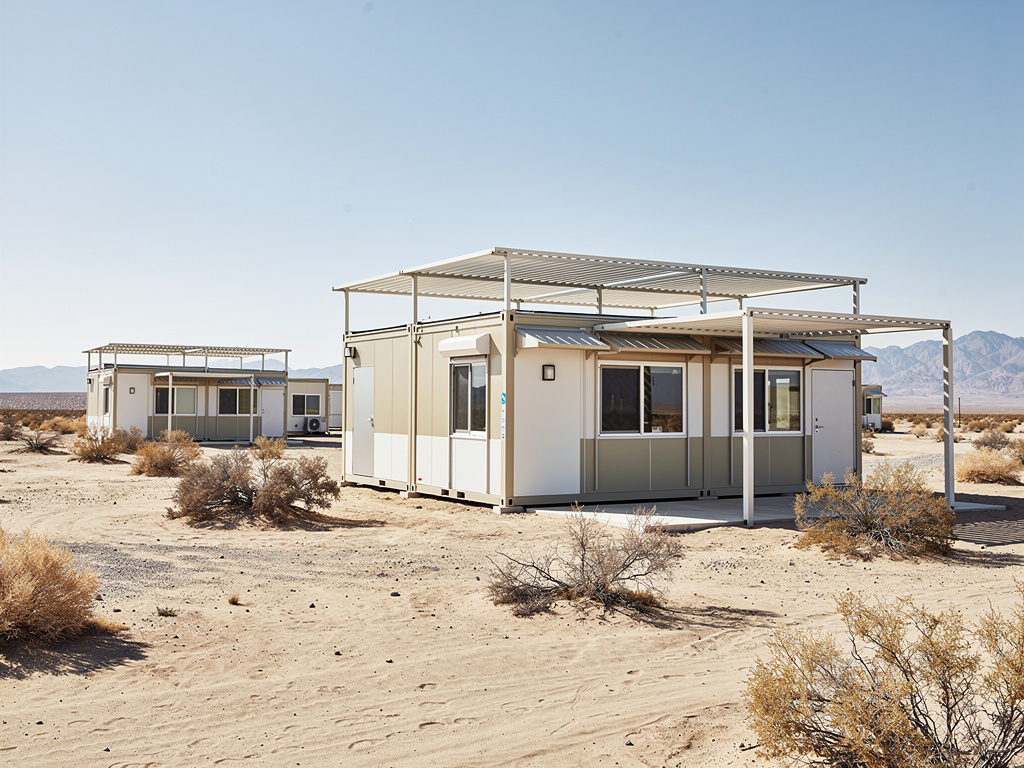
Designing modular buildings for desert and high-heat environments, such as those encountered in the United Arab Emirates, requires meticulous attention to material selection, structural engineering, and integrated systems to ensure durability, occupant comfort, and operational efficiency. Temperatures in regions like the UAE can regularly exceed 45°C (113°F) during summer months, with intense solar radiation and often high humidity in coastal areas, placing significant stress on building components. This demands specifications that go beyond standard construction, focusing on exceptional thermal performance, robust structural integrity against thermal expansion and contraction, and reliable utility infrastructure. Project decision-makers for remote sites in the UAE, whether for <a href="/services/modular-buildings-for-oil-and-gas-projects">oil and gas projects</a> near Abu Dhabi's industrial zones or <a href="/services/modular-buildings-for-renewable-energy-projects">renewable energy projects</a> in the vast desert interior, must consider these factors from the outset to avoid costly failures and operational disruptions.
Structural Systems and Material Resilience
The structural framework of modular buildings destined for high-heat environments must withstand extreme thermal cycling, which can induce significant expansion and contraction. Steel, a common material for modular frames, needs to be specified with appropriate coatings and connection details to prevent corrosion, especially in coastal UAE areas where salt-laden air is prevalent. For example, hot-dip galvanization or specialized epoxy coatings are often essential. Beyond the frame, exterior cladding and roofing materials are critical. Light-colored, highly reflective finishes are preferred to minimize solar heat gain, and materials must resist UV degradation and sand abrasion, a common issue in desert regions. The structural design must also account for potential wind-blown sand, which acts as an abrasive, and occasional, intense sandstorms that can exert considerable force. Consideration of the overall module dimensions and weight is also vital for transport logistics across the UAE, from port cities like Jebel Ali to remote inland project sites.
Insulation and Thermal Performance
Effective insulation is paramount for maintaining comfortable interior temperatures and reducing energy consumption in high-heat climates. Wall, roof, and floor assemblies require significantly higher R-values (thermal resistance) than those for temperate zones. Common insulation materials include rigid foam panels (e.g., polyisocyanurate, extruded polystyrene) or mineral wool, selected for their thermal performance and resistance to moisture. The building envelope must be designed for airtightness to prevent infiltration of hot, dusty air, which compromises insulation effectiveness and increases HVAC loads. Thermal bridging, where heat can bypass insulation through structural elements, must be minimized through thoughtful design and material choices. This meticulous approach to the building envelope is crucial for <a href="/services/modular-workforce-accommodation">modular workforce accommodation</a> and <a href="/services/modular-site-offices">modular site offices</a>, where occupant comfort directly impacts productivity and well-being.
HVAC and MEP Considerations
High-efficiency Heating, Ventilation, and Air Conditioning (HVAC) systems are non-negotiable for desert environments. Oversized or improperly specified units will lead to excessive energy consumption and potential breakdowns. HVAC systems should be designed with sufficient cooling capacity to handle peak summer temperatures, often requiring a higher British Thermal Unit (BTU) rating per square foot than typical. Redundancy in critical HVAC components may also be considered for remote sites to ensure continuous operation. Mechanical, Electrical, and Plumbing (MEP) systems also need to be robust. Electrical wiring and components must be rated for high ambient temperatures. Plumbing systems require protection from extreme heat, and water storage tanks may need insulation to prevent excessive water temperatures. Air filtration systems are essential to manage dust ingress, protecting both equipment and indoor air quality.
Fire and Life-Safety Specifications
Fire and life-safety considerations are heightened in remote, high-heat environments, especially where flammable materials or processes are present, such as in oil and gas operations. Project specifications must address local fire codes and authority requirements, which the buyer is responsible for identifying and communicating. This includes specifying appropriate fire-rated construction materials for walls, ceilings, and doors, as well as integrated fire detection and suppression systems. Smoke detectors, fire alarms, and emergency lighting are standard, but the specific requirements for sprinkler systems or specialized suppression agents depend on the building's intended use and local regulations. Emergency egress pathways must be clearly marked and kept clear, considering the potential for heat-related stress during an evacuation. For further detail, buyers can consult resources like the article on <a href="/blog/fire-and-life-safety-planning-for-workforce-accommodation">Fire and Life-Safety Planning for Workforce Accommodation</a>.
Customization and Procurement Planning
Modular buildings for desert and high-heat environments are rarely off-the-shelf solutions. Customization is often necessary to meet specific project demands, local regulatory requirements, and operational conditions. This includes tailoring layouts for <a href="/services/modular-clinics">modular clinics</a> or <a href="/services/modular-commercial-kitchens">modular commercial kitchens</a>, integrating specialized equipment, or designing for specific site constraints. Procurement planning should begin early, allowing ample time for detailed specification development, production, and shipping. Buyers should provide comprehensive project specifications, including intended use, occupancy loads, required systems, and any applicable local codes or standards (e.g., Dubai Municipality regulations, ADM codes in Abu Dhabi). Understanding the factory completion level versus onsite work is also crucial; while modules arrive largely complete, certain utility connections, final finishes, and site-specific installations are typically handled by the buyer's local contractors.