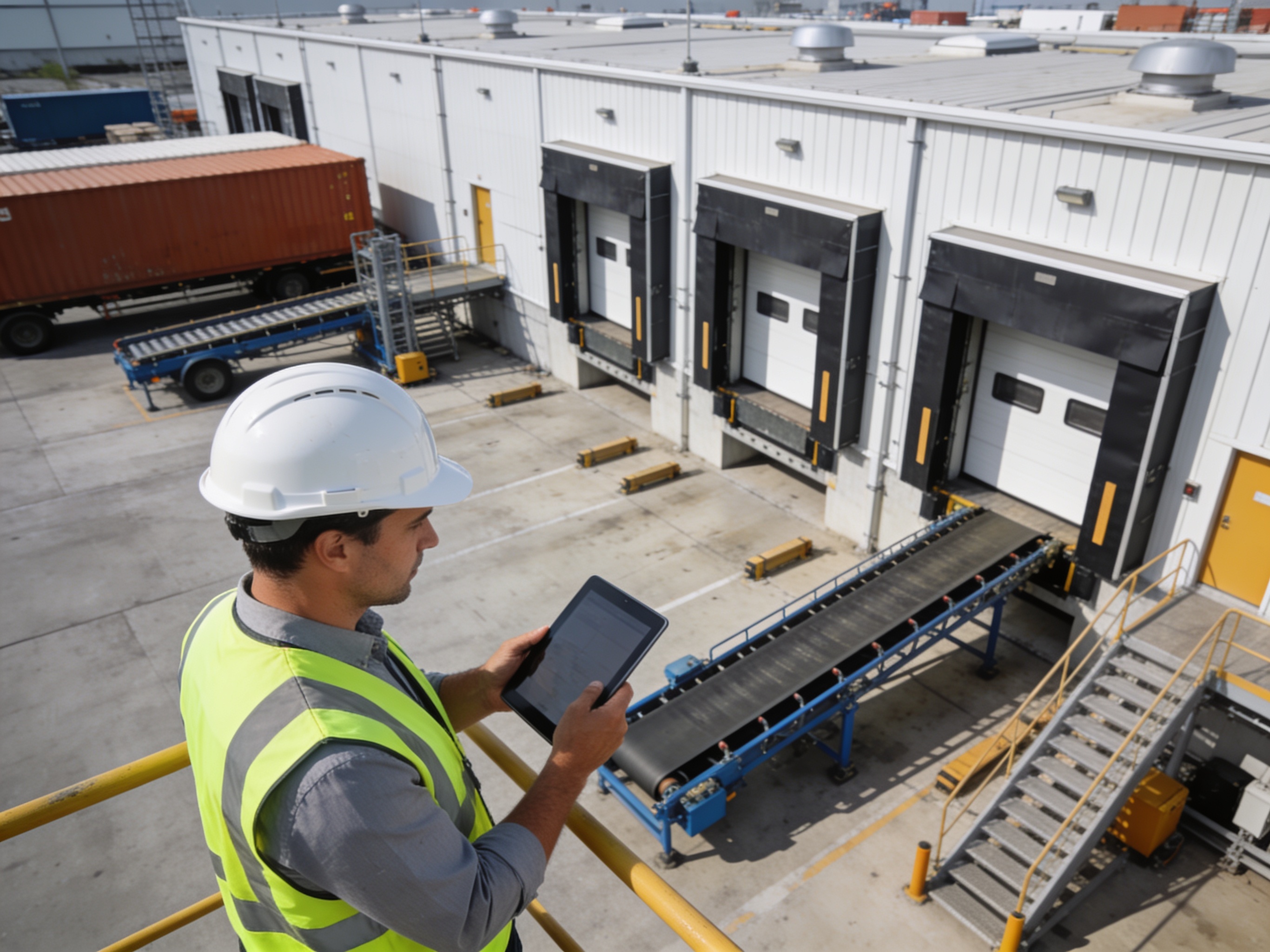
Transportation and logistics operations, whether expanding a distribution center in the industrial parks near the ** Airport or establishing a temporary command post at a remote intermodal freight yard, require durable and rapidly deployable infrastructure. Our modular buildings are engineered to withstand the rigors of these environments, offering solutions for administrative offices, security checkpoints, equipment shelters, and workforce accommodation. We focus on configurations that support efficient workflows and provide comfort and safety for personnel operating in demanding conditions, from dispatch centers needing immediate expansion to temporary housing for crews managing critical infrastructure projects in remote areas.
When specifying modular buildings for transportation and logistics projects, critical considerations include the intended operational use, expected occupancy, and the specific site conditions. For facilities near major transport arteries like I-35 or I-70, noise attenuation and security features become paramount. Buildings destined for remote project sites, such as those supporting new rail line construction or pipeline maintenance, demand enhanced structural integrity to endure transport over challenging terrain and resilience against extreme weather. Buyers often provide specifications based on local code requirements in the ** area, structural loads for high winds, or thermal performance needs to maintain comfortable interior temperatures through harsh summers and cold winters. We coordinate the building's configuration, materials, and internal systems to align precisely with these project-specific needs.
Material and structural choices are vital for longevity and performance in logistics applications. Heavy-duty steel frames, impact-resistant exterior cladding, and robust flooring systems are common for high-traffic areas or equipment storage. Insulation and thermal performance specifications are particularly important given the region's climate, where summer temperatures can soar and winter brings freezing conditions. We work with buyers to incorporate appropriate insulation values and HVAC systems to ensure operational efficiency and occupant comfort. Fire and life-safety specifications, often driven by local ordinances or project-specific risk assessments, dictate materials, egress points, and internal layouts. The buyer's project specifications guide these critical elements, ensuring the final product meets their operational and compliance requirements for deployment in the ** area or beyond.
Logistics and transportation projects often operate on tight schedules, making rapid deployment a key advantage of modular construction. The modular nature allows for scalable solutions, from single-unit security booths at a truck depot to multi-unit complexes for a large-scale distribution hub. Dimensional and weight considerations for transport are paramount, especially when navigating state highways or delivering to remote project sites. We coordinate the manufacturing or sourcing based on the buyer's project specifications, ensuring the building components are optimized for safe and efficient delivery to the intended destination. The buyer is responsible for all local site preparation, foundations, utility connections, and installation, but our role ensures the modular units are built to their exact specifications, ready for efficient deployment by their local teams.
Technician insight
In the ** area, the thing that often catches buyers out with modular buildings for transportation and logistics projects is underestimating the specific climate resilience needed. The intense summer heat and significant winter cold swings mean that a generic insulation package just won't cut it for long-term comfort and energy efficiency, especially for remote sites without immediate access to robust grid power. You need to spec for those extremes upfront.
Modular Buildings for Transportation and Logistics Projects Services We Offer
✓Modular Dispatch & Command Centers
Custom-configured modular buildings designed to serve as central dispatch or command centers for transportation and logistics operations, providing robust and secure environments for critical communications and oversight.
✓Portable Security Gatehouses
Durable and easily deployable modular security gatehouses for controlling access at logistics facilities, freight yards, and project sites, often including integrated security features and climate control for personnel.
✓Temporary Workforce Accommodation
Scalable modular housing solutions for project crews and logistics personnel, ideal for remote sites or temporary expansions, designed for comfort and durability in varying climate conditions.
✓Modular Equipment & Storage Shelters
Robust modular shelters for protecting sensitive equipment, tools, or supplies at transportation hubs and remote project locations, engineered for security and weather resistance.
✓Logistics Office & Administrative Buildings
Functional modular office buildings providing administrative space for logistics management, freight forwarding, and operational planning, configured for efficient workflows and employee comfort.
✓Intermodal Facility Support Buildings
Specialized modular buildings for intermodal facilities, including offices, break rooms, and operational support structures, designed to withstand the heavy-duty environment of rail and truck transfer points.
How it works
- 1
Project Requirements Review
We begin by thoroughly reviewing your project's specific requirements for modular buildings, including intended use, operational needs, site conditions, and any buyer-supplied specifications related to local codes, structural loads, or environmental factors relevant to your ** area project.
- 2
Building Configuration & Specification
Based on the detailed requirements, we work with you to define the optimal building configuration, materials, MEP systems, and finishes. This ensures the modular unit is engineered to meet your performance expectations and integrate with your overall transportation or logistics project plan.
- 3
Commercial Coordination & Sourcing
Once specifications are finalized, we coordinate the commercial aspects, including detailed proposals and production planning. Our role involves either manufacturing or sourcing the modular building components from our network, ensuring quality and adherence to your project's timeline.
- 4
Quality Assurance & Production Oversight
Throughout the production phase, we maintain rigorous oversight to ensure the modular building is constructed precisely to the agreed-upon specifications. This includes monitoring material quality and manufacturing processes to deliver a robust, compliant product.
- 5
Delivery Logistics & Handover
We manage the logistics for delivering your completed modular building to your designated project site. Upon arrival, the building is handed over to your team for local site preparation, unloading, foundation work, utility connections, and installation by your appointed contractors.
Pricing
The cost of modular buildings for transportation and logistics projects is primarily influenced by the building's size and dimensions, the quantity of units required, and the complexity of the interior layout. Structural requirements, such as enhanced load ratings for heavy equipment or high wind zones in the ** area, significantly impact pricing. The chosen insulation package and specified MEP (Mechanical, Electrical, Plumbing) systems, particularly for specialized equipment or climate control, are major factors. Fire and life-safety requirements, specific doors and windows, and the grade of interior and exterior finishes also play a role. Customization requests, the final destination, and shipping logistics, especially to remote sites, can also affect the overall investment.