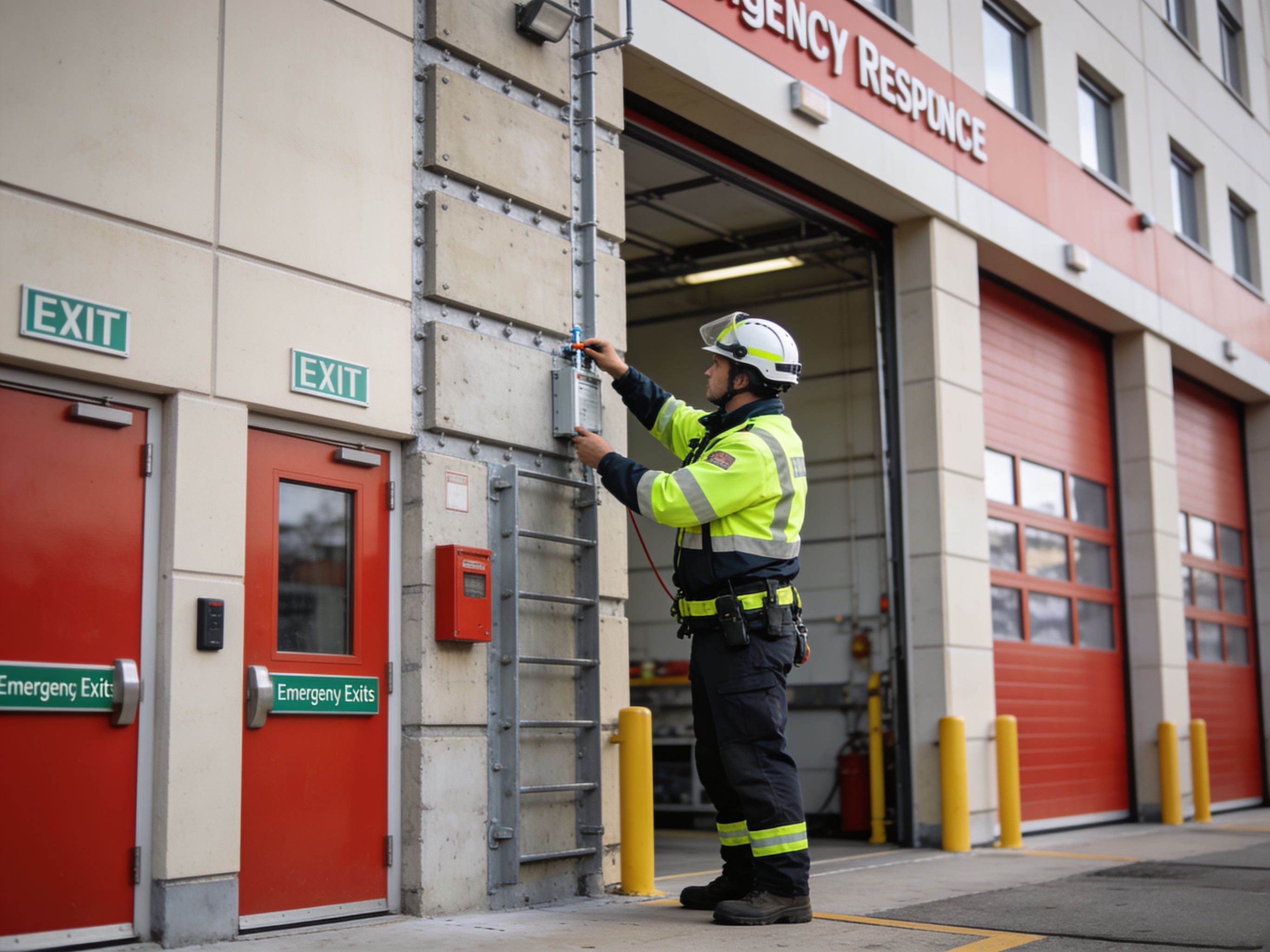
Emergency response situations, whether natural disaster recovery, critical infrastructure repair, or temporary operational hubs, demand robust and rapidly deployable building solutions. In the area, where projects often face challenging conditions and tight timelines, modular emergency response buildings provide essential shelter, command centers, and operational facilities. These structures are designed to withstand demanding environments, offering immediate, secure, and functional spaces for personnel and equipment. Key considerations for these projects include the speed of deployment, structural integrity against local climate factors, and the ability to integrate essential services like power, communication, and climate control, ensuring continuity of operations during critical events.
Configuring emergency response buildings requires a detailed understanding of the intended operational use and the specific destination environment. For projects in the region, this often means specifying enhanced insulation and robust structural frames to cope with various weather extremes. Buyers need to consider the building's footprint, internal layout for specific functions like medical triage, communication hubs, or temporary accommodation, and the integration of specialized equipment. The goal is to provide a fully functional, self-contained unit that can be deployed quickly, often in remote or austere locations, minimizing setup time and maximizing immediate utility upon arrival. We work with buyers to translate their operational requirements into a precise building specification.
Material and structural choices are paramount for emergency response modular buildings. We focus on durable, low-maintenance materials capable of enduring harsh conditions and repeated transport. For structural integrity, options range from heavy-gauge steel framing to reinforced panel systems, all designed to meet the specified wind, snow, and seismic loads relevant to the deployment site. Insulation and thermal performance are critical for maintaining comfortable interior environments, especially in areas experiencing significant temperature fluctuations. HVAC and MEP specifications must be robust and often self-contained, capable of operating independently or with minimal external support. Fire and life-safety requirements are integrated based on the buyer's project specifications and the intended occupancy, ensuring compliance with relevant standards provided by the buyer's local professionals.
Logistics and deployment are central to emergency response modular buildings. These units are designed for efficient transportation, often as single modules or easily assembled components, to reach remote or difficult-to-access project sites. Buyers must account for transport routes, dimensional and weight limitations for road or rail, and the availability of suitable unloading equipment at the destination. We coordinate the commercial aspects of manufacturing or sourcing and delivery, ensuring the building arrives ready for the buyer's local site preparation, foundation work, and utility connections. Scalability is also a significant advantage; multiple units can be deployed to create larger complexes, allowing for flexible expansion or reconfiguration as project needs evolve, a critical factor for dynamic emergency situations.
Technician insight
In the area, the thing that catches most people out with Emergency Response Buildings is underestimating the impact of the region's diverse climate conditions on HVAC and insulation specifications. Many buyers focus on rapid deployment but forget that extreme summer heat or winter cold demands robust, often oversized, climate control systems to maintain operational efficiency and personnel comfort, especially in remote areas where power might be limited or intermittent.
Remote Communication Hub for Infrastructure Repair
A project in a remote area needed a rapid-deployment communication hub following infrastructure damage. The challenge was integrating satellite communication equipment into a compact, durable modular unit that could withstand local weather. We worked with the buyer to specify a reinforced modular building with dedicated equipment bays and robust environmental controls, allowing their local team to quickly establish a fully functional communication center on a prepared site, restoring vital links for the repair operations.
Emergency Response Buildings Services We Offer
✓Modular Command Centers
Rapidly deployable, secure, and fully equipped modular units designed to serve as central command and control hubs during emergency operations, featuring integrated communication and data infrastructure.
✓Temporary Medical Clinics
Configurable modular buildings providing clean, climate-controlled spaces for emergency medical treatment, triage, and first aid, with options for specialized equipment integration.
✓Disaster Relief Accommodation
Durable and comfortable modular living quarters designed for rapid deployment to provide essential housing for displaced personnel or affected populations during disaster recovery efforts.
✓Logistics & Storage Units
Robust, secure modular units for storing critical supplies, equipment, and managing logistics operations in emergency zones, often with enhanced security features and climate control options.
✓Emergency Communication Hubs
Specialized modular buildings equipped to establish and maintain critical communication links in areas where existing infrastructure is compromised, featuring satellite, radio, and data capabilities.
✓Rapid Deployment Offices
Functional and secure modular office spaces for administrative and planning teams, quickly deployable to support onsite coordination and management during emergency response operations.
How it works
- 1
Project Requirements Review
We begin by thoroughly reviewing your project's specific needs for emergency response buildings, including intended use, occupancy, deployment location, and any buyer-provided specifications for local codes, climate, or structural requirements. This initial stage ensures we understand the critical parameters of your project.
- 2
Building Configuration & Specification
Based on the detailed requirements, we work with you to define the optimal building configuration, materials, and systems. This includes structural design, insulation, HVAC, MEP, and interior/exterior finishes, all specified to meet your operational needs and the demands of the deployment environment.
- 3
Commercial Coordination & Sourcing
Once specifications are finalized, we coordinate the commercial aspects of manufacturing or sourcing the modular building. This involves managing the production schedule and ensuring all components meet the agreed-upon standards and timelines.
- 4
Delivery Logistics
The final stage involves coordinating the delivery of your modular building to your specified project site. We manage the transportation logistics, ensuring the unit arrives efficiently and safely, ready for your local site preparation, unloading, and installation by your appointed contractors.
Pricing
The cost of emergency response modular buildings is primarily influenced by their size and quantity, the complexity of the internal layout, and the structural requirements necessary for the deployment environment. Enhanced insulation, specialized HVAC and MEP systems for climate control, and specific fire/life-safety features significantly impact the price. Customization requests, the type of doors and windows, and the choice of interior and exterior finishes also play a role. Finally, the destination and associated shipping logistics, as well as overall production requirements, are key cost drivers.